
John Ternus takes over as Apple CEO after Tim Cook’s 15-year tenure, with Cook remaining executive chairman. His immediate priority is artificial intelligence as Apple develops Siri AI using a model strategy built partly on Google Gemini technology and third-party cloud infrastructure. The next test is whether those investments can make AI a stronger reason to buy into Apple’s ecosystem.
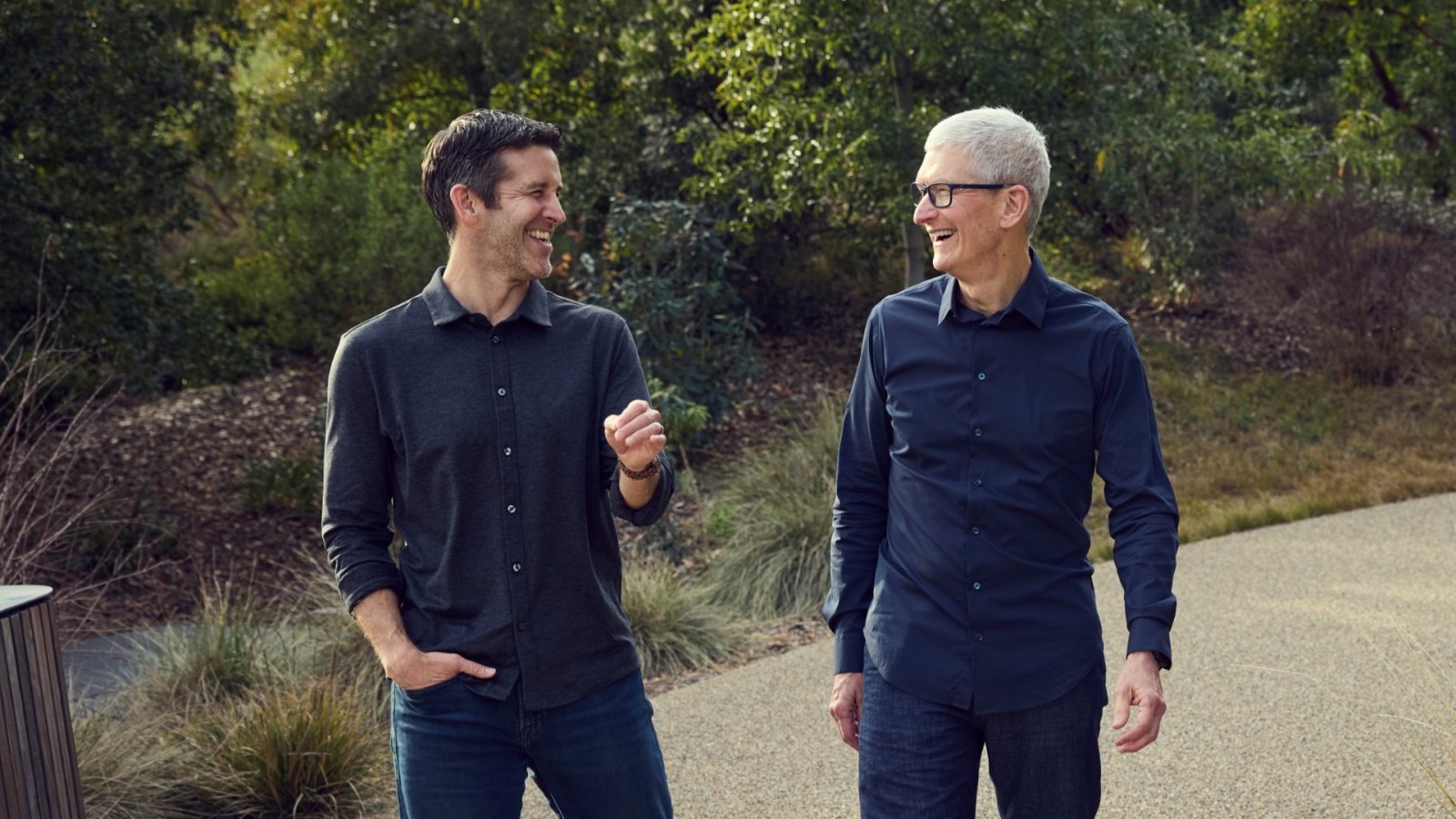
John Ternus became Apple’s chief executive on September 1, completing a succession announced in April and ending Tim Cook’s 15 years in the top job. The handover will not be absolute: Cook is becoming executive chairman and will remain involved in parts of the business, including engagement with policymakers around the world.
Ternus’s more urgent challenge is artificial intelligence. Bloomberg reports that AI will be his first priority as Apple tries to move past two years of delays and uneven execution while competitors including OpenAI, Google and Anthropic have pushed generative AI deeper into consumer products. Ternus brings a distinctly product-focused background to the task. He joined Apple in 2001 and has been responsible for hardware engineering across the company’s major device categories.
That experience arrives just as Apple is attempting to make its hardware a central distribution layer for AI. Bloomberg says Ternus oversaw devices now moving through the pipeline, including Apple’s first foldable iPhone and a smart home display capable of recognising different speakers. His first major public test comes almost immediately: Apple has scheduled its annual iPhone event for September 9, only eight days after he became CEO.
Apple’s AI stack is no longer entirely its own
The more consequential change predates Ternus’s promotion. Apple has already reworked the technological assumptions behind Apple Intelligence. In January, Apple and Google disclosed a multi-year collaboration under which the next generation of Apple Foundation Models would be built using technology from Google’s Gemini models and cloud platform. At WWDC in June, Apple detailed its third-generation model family, developed in collaboration with Google and designed to power the next version of Apple Intelligence.
That does not mean Apple has simply embedded the consumer version of Gemini into its products. The company describes the resulting systems as Apple Foundation Models, running either on its devices or through Private Cloud Compute. But Apple has also expanded that cloud architecture beyond its own data centres, working with Google and Nvidia to process some Apple Intelligence workloads on third-party infrastructure while extending its privacy controls to those environments.
Siri AI is the most visible product of that reset. Unveiled in June, the redesigned assistant is supposed to handle more natural conversations, understand information visible on a user’s screen, draw on personal context across messages, email and photos, and retrieve current information from the web. Apple says the English-language version will arrive by the end of 2026.
Europe exposes another part of Ternus’s execution problem. Apple says Siri AI will not initially launch on iPhone and iPad in the European Union because of disagreements over Digital Markets Act requirements for supporting rival virtual assistants. It will, however, be available on Mac and Vision Pro in the bloc.
Ternus therefore inherits an AI strategy that is already largely defined. Apple has chosen important external partners, rebuilt its model architecture and prepared hardware designed to make AI more ambient across its ecosystem. His challenge is execution: turning those pieces into experiences compelling enough to strengthen Apple’s devices, rather than merely demonstrating that the company has caught up technologically.