

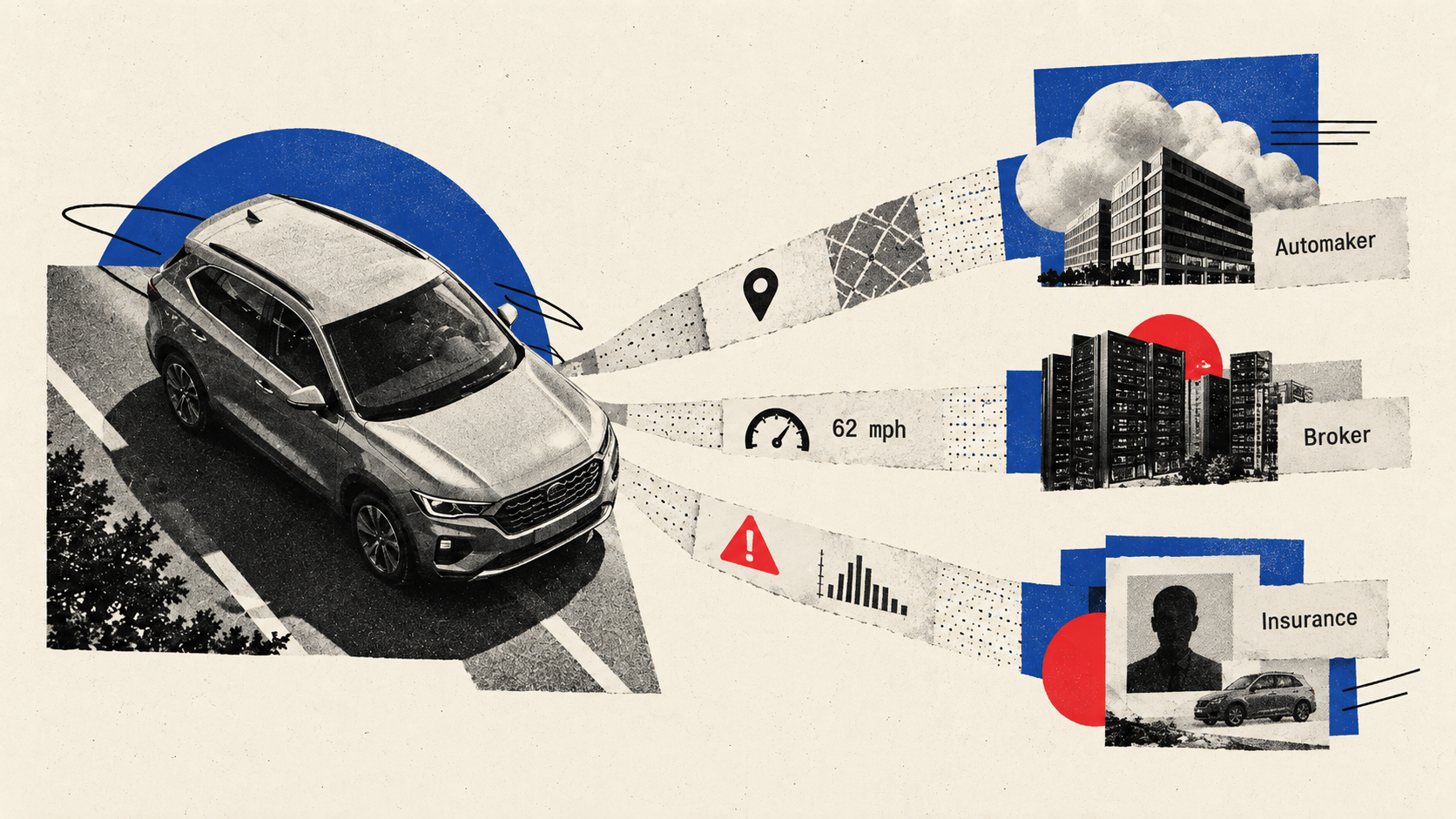
Modern connected cars can collect detailed information about how and where people drive, and regulators are increasingly scrutinizing how automakers share that data with brokers, insurers and other third parties.
General Motors provides the clearest documented example. In January 2026, the US Federal Trade Commission finalized an order after alleging that GM and OnStar collected precise geolocation and driving-behavior data from millions of vehicles without adequate notice or affirmative consent.
Through the discontinued Smart Driver feature, GM recorded information including speeding, hard braking and nighttime driving. Some data was supplied to consumer reporting companies including LexisNexis and Verisk, where it could contribute to reports used by insurers. Drivers previously reported discovering the practice after facing higher insurance premiums.
The FTC has now barred GM for five years from supplying certain location and driving data to consumer reporting agencies. Over the order’s 20-year duration, GM must also obtain explicit consent for covered data collection, let customers request or delete their information and offer options to limit location and driving-behaviour tracking.
The problem extends beyond one manufacturer. A 2023 Mozilla investigation found poor privacy practices across all 25 car brands it examined, while subsequent Consumer Reports research found widespread collection and sharing of driver-behaviour data among automakers operating in the US.
Cars increasingly function like connected computers, gathering information through telematics, apps, cameras, sensors and paired smartphones. The difference is that their privacy controls can be considerably harder for owners to find, understand or disable.