

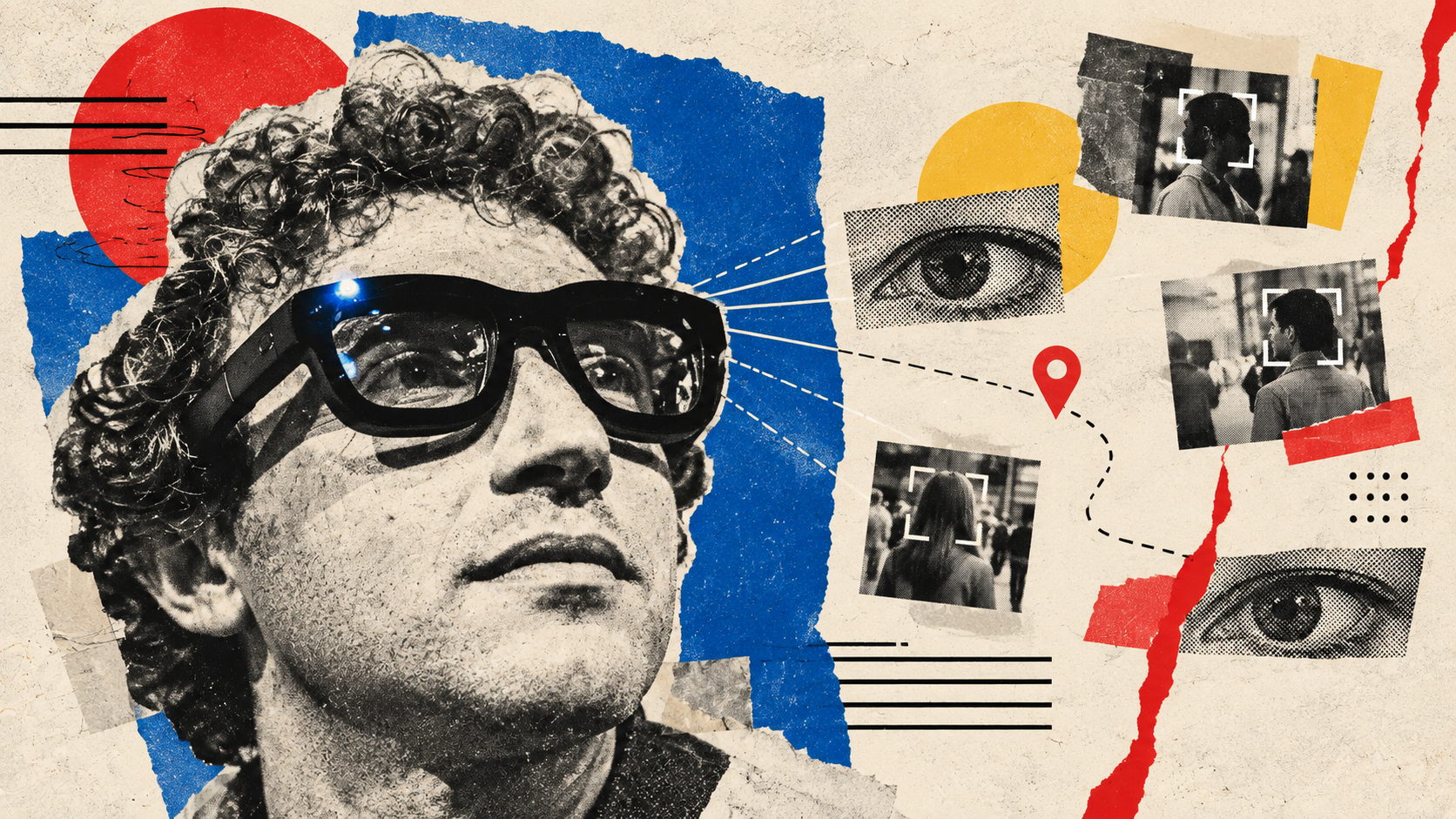
Tech companies are racing to turn smart glasses, pins and AI recorders into the next major computing platform after the smartphone. But the features that make these devices useful (cameras, microphones and constant awareness of their surroundings) are also becoming their biggest obstacle to mass adoption.
Meta’s Ray-Ban smart glasses have become the clearest example. Their discreet cameras have triggered privacy lawsuits and restrictions in some venues, while regulators are increasingly questioning how people can meaningfully consent to being recorded by glasses worn by someone else. A US lawsuit also alleges that human reviewers saw sensitive footage uploaded from the glasses, including people changing clothes, using bathrooms or handling financial information.
Meta disputes the allegations and says its glasses display a recording light that cannot be disabled without also disabling the camera. The company is nevertheless reportedly preparing camera-free glasses, illustrating how privacy concerns are already influencing product design.
Competitors are taking similar precautions. Samsung plans smart glasses with Gentle Monster and Warby Parker later this year and says trust and user control will be essential. OpenAI CEO Sam Altman has argued that an always-aware AI device would ultimately need to process much of its data locally rather than continuously uploading a user’s surroundings to cloud servers.
Startups are experimenting with even more explicit safeguards. Even Realities sells camera-free glasses. Pocket requires users to press a physical button before recording. Plaud’s wearable recorder activates only on command and can warn people nearby through lights or sound.
The commercial stakes are large. Technology companies are ultimately chasing part of a smartphone market worth more than $600 billion. But unlike phones, wearables can capture information simply by looking or listening. The key challenge is therefore no longer only making AI devices capable enough to replace some smartphone functions. Manufacturers must also make the people standing around their users comfortable with them.