

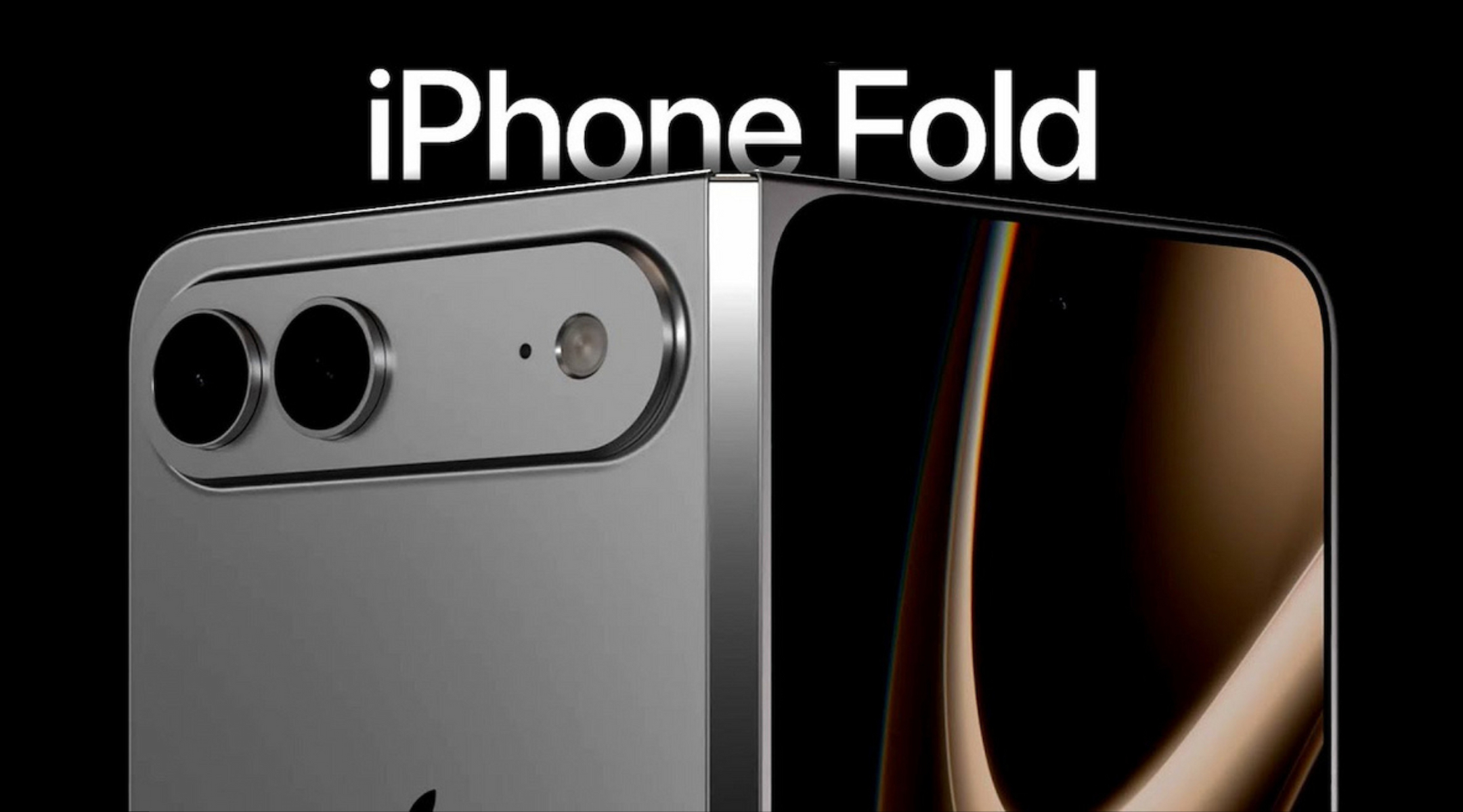
Apple reportedly asked suppliers to prepare for around 10 million foldable iPhones in 2026, yet output was still running at only a few hundred units a day in late August. Extra checks on the hinge and display have slowed the production ramp. Early scarcity would not necessarily mean failure, but it would expose the manufacturing cost of Apple’s late-entry, high-polish strategy.
The central problem with Apple’s first foldable iPhone is no longer whether the company can design a phone that folds. It is whether Apple can manufacture enough of them without relaxing its standards.
Factories were producing only “a few hundred” units per day in late August, according to supply-chain sources cited by Nikkei Asia. Apple reportedly added another manufacturing-verification round during the month to confirm that the device could be produced at scale to its specifications, pushing commercial production back by several weeks.
The remaining focus is reportedly on two characteristics that directly shape how a foldable feels: the flatness of the opened display and the performance of the hinge. Apple is still trying to improve production yields in both areas.
Apple had already raised its ambitions
That makes the latest production report notable because Apple appeared to be growing more confident earlier in the summer. In July, Nikkei Asia reported that the company had asked suppliers to prepare for approximately 10 million foldable iPhones in 2026, up from an earlier expectation of 7 million to 8 million.
Foldables multiply manufacturing variables. Two halves of a chassis have to align precisely. A flexible display has to survive repeated folding without developing visible defects. The hinge has to provide consistent resistance and positioning from one unit to another. A tolerance that looks acceptable across a small validation batch can become a major yield problem at mass-production scale.
The crease remains a defining quality test
Apple is also entering a category where consumers already understand the compromises. Samsung, Huawei, Honor and other manufacturers have spent several generations reducing thickness, improving hinge durability and making the central crease in flexible displays less visible.
TrendForce says stress management and crease reduction have become major benchmarks for the next phase of foldable-display engineering. The research firm now expects Apple’s initial production and inventory to be limited. It refers to the still-unannounced device provisionally as the “iPhone 18 Fold” and expects shipments to start relatively late, with a projected starting price of $2,099 to $2,299.
Early scarcity would not necessarily mean failure
Apple has already used delayed availability before when introducing major hardware changes. The iPhone X was announced on September 12, 2017 but did not reach stores until early November. It introduced manufacturing challenges including Apple’s first edge-to-edge OLED iPhone display and the TrueDepth system used for Face ID.
Apple could therefore unveil its foldable before suppliers have reached full output, then limit initial markets or allow deliveries to trail the rest of the iPhone lineup. Recent reports still disagree on the precise timing: some expect availability close to the Pro models, while others point to sharply constrained opening inventory.
The potential demand explains why the ramp matters. IDC expects foldables to be one of the only growing smartphone categories in 2026, reaching 22.9 million units before rising to roughly 27 million in 2027. It forecasts Apple could ship more than 17 million foldable iPhones by 2027 and take about 40% of the global category. Those numbers are forecasts, not guaranteed demand. But they show the scale gap Apple must close.
Apple spent years watching rivals absorb the early engineering problems of foldable phones. The strategic argument for waiting was that entering later would let it ship a more polished product. Production of only a few hundred units a day in late August reveals the other side of that strategy: when the quality bar is unusually high, solving the engineering problem once is not enough. Apple has to reproduce the solution millions of times.