

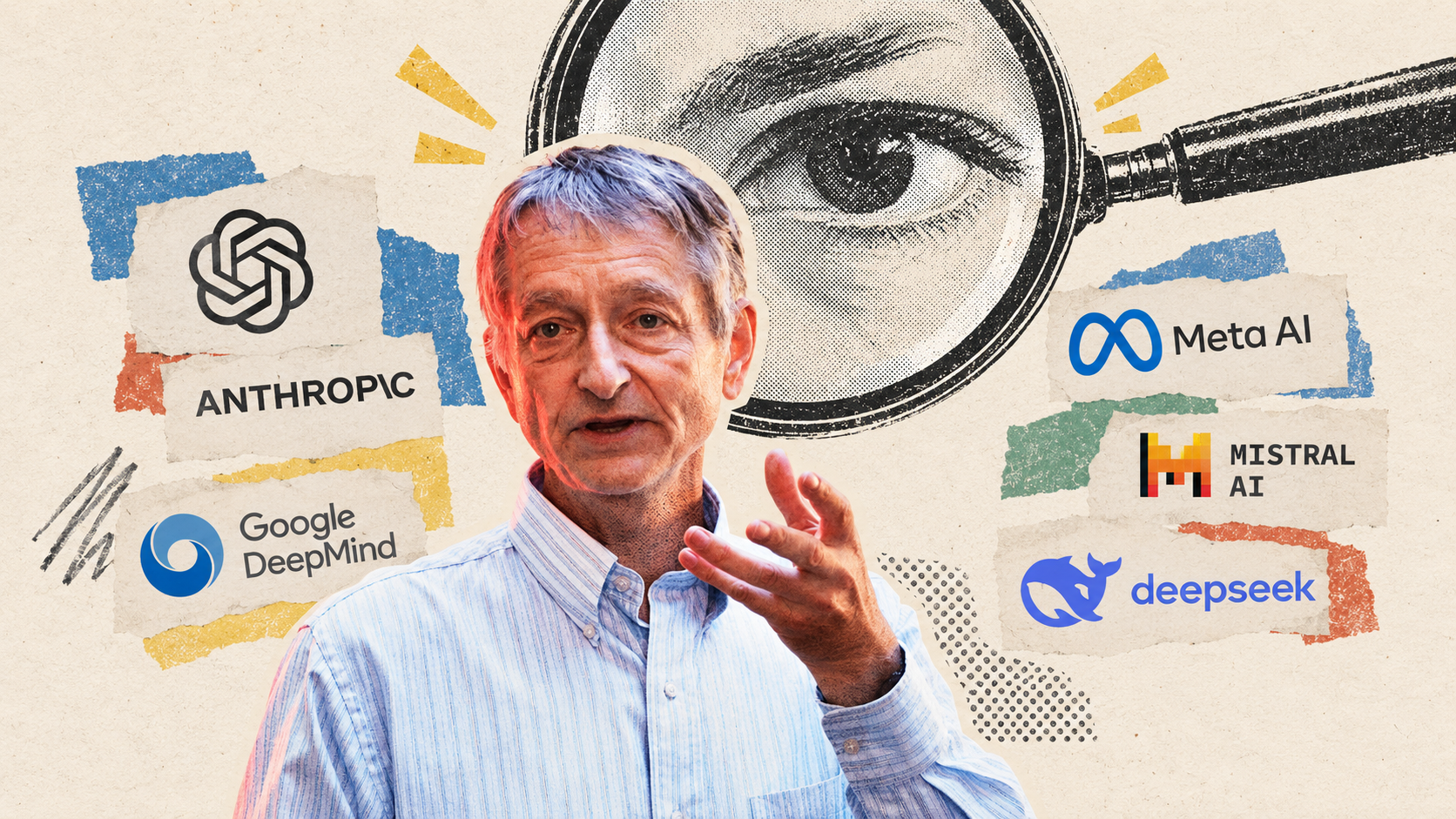
More than 100 AI researchers and safety specialists, including Geoffrey Hinton and Stuart Russell, are calling for independent evaluators to be embedded directly inside frontier AI companies with access comparable to highly privileged employees.
The proposal, published September 18 by the AI Evaluator Forum, responds to recent commitments from Anthropic CEO Dario Amodei and OpenAI CEO Sam Altman to give outside organizations deeper access to their models and internal safety processes.
The signatories argue that access alone is insufficient. To function as genuine watchdogs, evaluators should remain independent of the companies they inspect, retain editorial control over their conclusions and disclose conflicts of interest. They should be able to communicate directly with corporate boards, publish findings subject only to narrow and temporary redactions, and be protected from retaliation when their conclusions are unfavorable. The letter also calls for access to the same relevant systems, data, physical facilities and tools available to senior internal safety teams. Multiple evaluators with different expertise should be involved, covering areas such as cybersecurity, biological misuse and loss of control.
Geoffrey Hinton, a 2024 Nobel laureate who has repeatedly warned about increasingly capable AI systems, signed the letter in his personal capacity.
The idea is already moving from proposal to implementation. Anthropic announced on September 18 that Accenture’s specialist AI business Faculty would become an embedded evaluator of its models, conducting red-team exercises, alignment assessments and safeguard testing. Anthropic and Accenture each expect to invest at least $1 billion over five years in the broader effort. Anthropic is also discussing pilots with nonprofit evaluator METR.
That arrangement exposes the central unresolved issue: who pays the watchdog without compromising its independence? Anthropic acknowledges that no mature funding framework yet exists and says pooled or government financing could eventually be preferable. OpenAI has committed to third-party evaluation but has not yet announced an equivalent embedded partner.
The emerging model therefore sits somewhere between internal safety testing and traditional external regulation. Iindependent specialists would work inside AI labs while retaining the ability to scrutinize and publicly challenge the companies giving them access.
[…] READ ALSONobel laureate backs independent AI watchdogs inside frontier labs.→ […]