
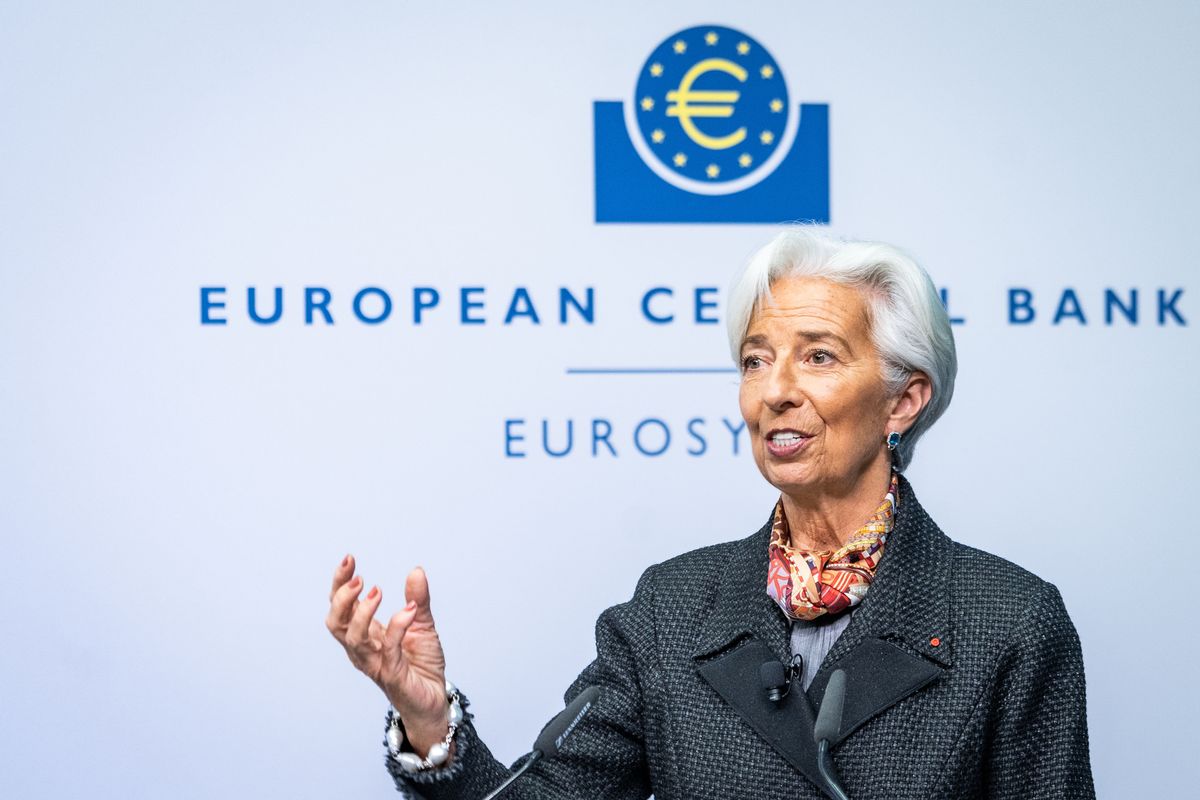
European Central Bank President Christine Lagarde personally intervened against Binance’s attempt to secure a European Union-wide crypto license through Greece. The reported intervention is notable because the ECB has no formal authority to approve crypto exchanges under the EU’s Markets in Crypto-Assets regulation, or MiCA.
Binance appeared close to obtaining authorization in late May. Greek officials had indicated that its application was complete according to a Wall Street Journal investigation citing people familiar with the matter and documents it reviewed. CEO Richard Teng was even preparing to travel to Athens. A senior official at Greece’s Hellenic Capital Market Commission later told Binance that Lagarde had asked Prime Minister Kyriakos Mitsotakis not to approve the application, the report says.
Lagarde was reportedly concerned both about Binance’s compliance record and about the exchange’s potential to accelerate the use of dollar-backed stablecoins in Europe, where the ECB is developing the digital euro. The WSJ also reported that the European Securities and Markets Authority had privately raised objections to Binance over its compliance history. Neither the ECB nor Greek regulators have publicly confirmed Lagarde’s reported intervention. Binance said it would not comment on “speculation.”
The institutional distinction matters. Under the current MiCA framework, a crypto company can obtain authorization from a national regulator and then “passport” that license across the 27-country EU. Binance applied through Greece, but withdrew that application in June and said it would seek authorization in another member state. Reuters had previously reported resistance from regulators concerned about the exchange’s past anti-money-laundering penalties, corporate structure and governance.
The WSJ says Lagarde wanted the decision delayed until supervision could potentially move from national regulators to ESMA (European Securities and Markets Authority). Such centralization is under discussion as part of the EU’s review of MiCA, but it has not been adopted. Europe has created a single crypto rulebook, but the politically sensitive decision of who receives access to the entire EU market still begins with individual national regulators.