
The US House of Representatives has overwhelmingly approved legislation intended to prevent households and small businesses from absorbing the electricity-infrastructure costs created by massive AI data centers.
The Ratepayer Protection Act passed 417–3 on September 16, putting data-center energy costs firmly on the federal agenda.The bill targets data centers with peak electricity demand of at least 100 megawatts at a single site or campus.
It would require state utility regulators and non-regulated utilities to consider rate structures under which those facilities cover the full incremental cost of new generation, transmission and distribution infrastructure required to connect them to the grid. Regulators could also require financial guarantees before utilities build those upgrades.The distinction is important: the legislation would not itself impose a nationwide requirement that data centers pay every such cost. It creates a federal “must consider” standard while preserving states’ authority to accept or reject it.
That limitation has already become the main point of disagreement in the Senate. Senator Jon Husted attempted to pass the measure by unanimous consent on September 17, but Senator Martin Heinrich objected, arguing that Congress should directly require large electricity users to pay for grid upgrades. Heinrich instead promoted his GRID Savings Act, which would impose mandatory cost allocation. Both proposals remain stalled.
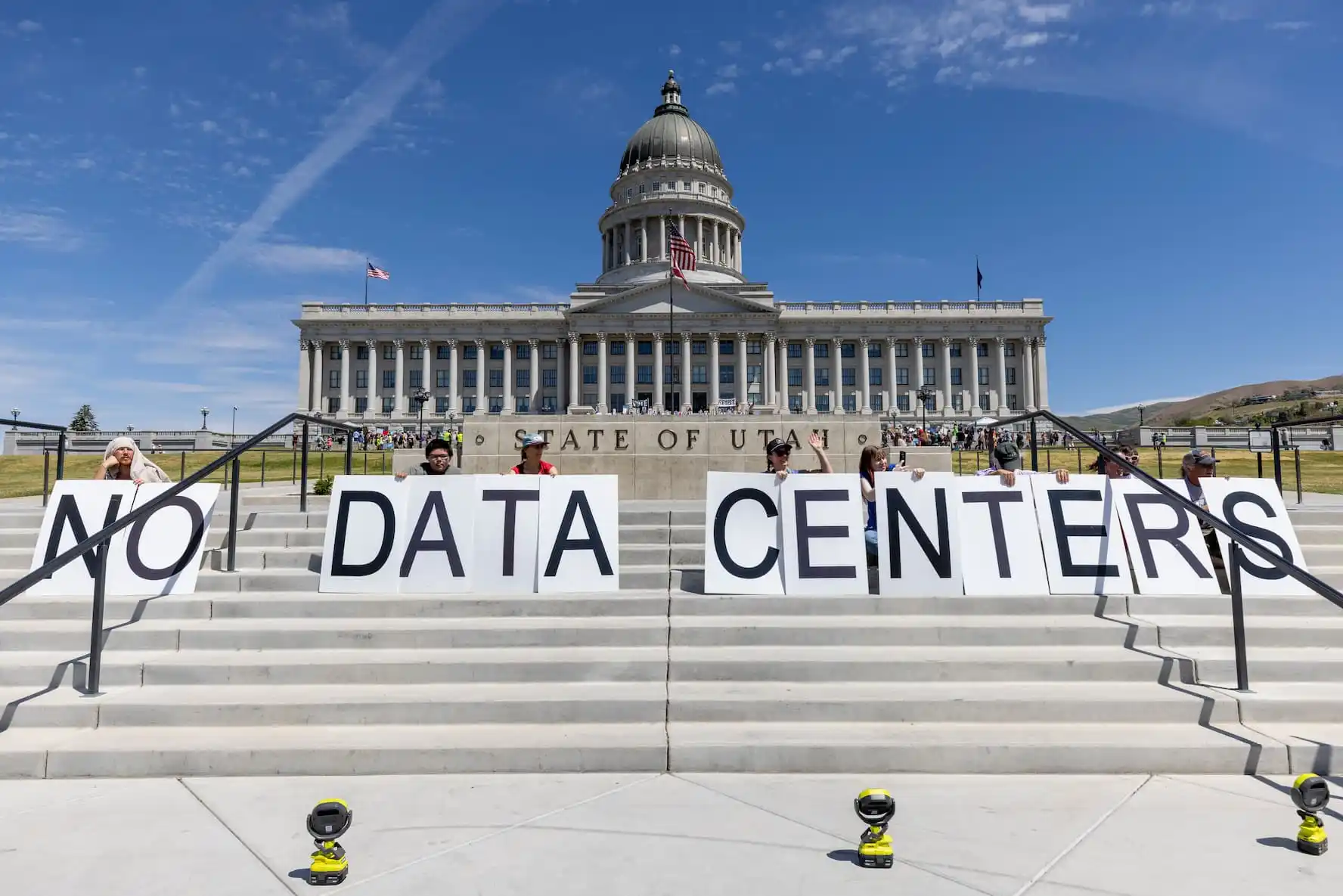
The political pressure reflects growing public concern. Nearly two-thirds of Americans surveyed by AP-NORC said they were extremely or very worried about data centers raising electricity prices, while 57% expressed the same level of concern about water supplies.
The House vote therefore marks an important federal response to the physical cost of the AI boom, but not yet a binding national rule on who pays for it.