

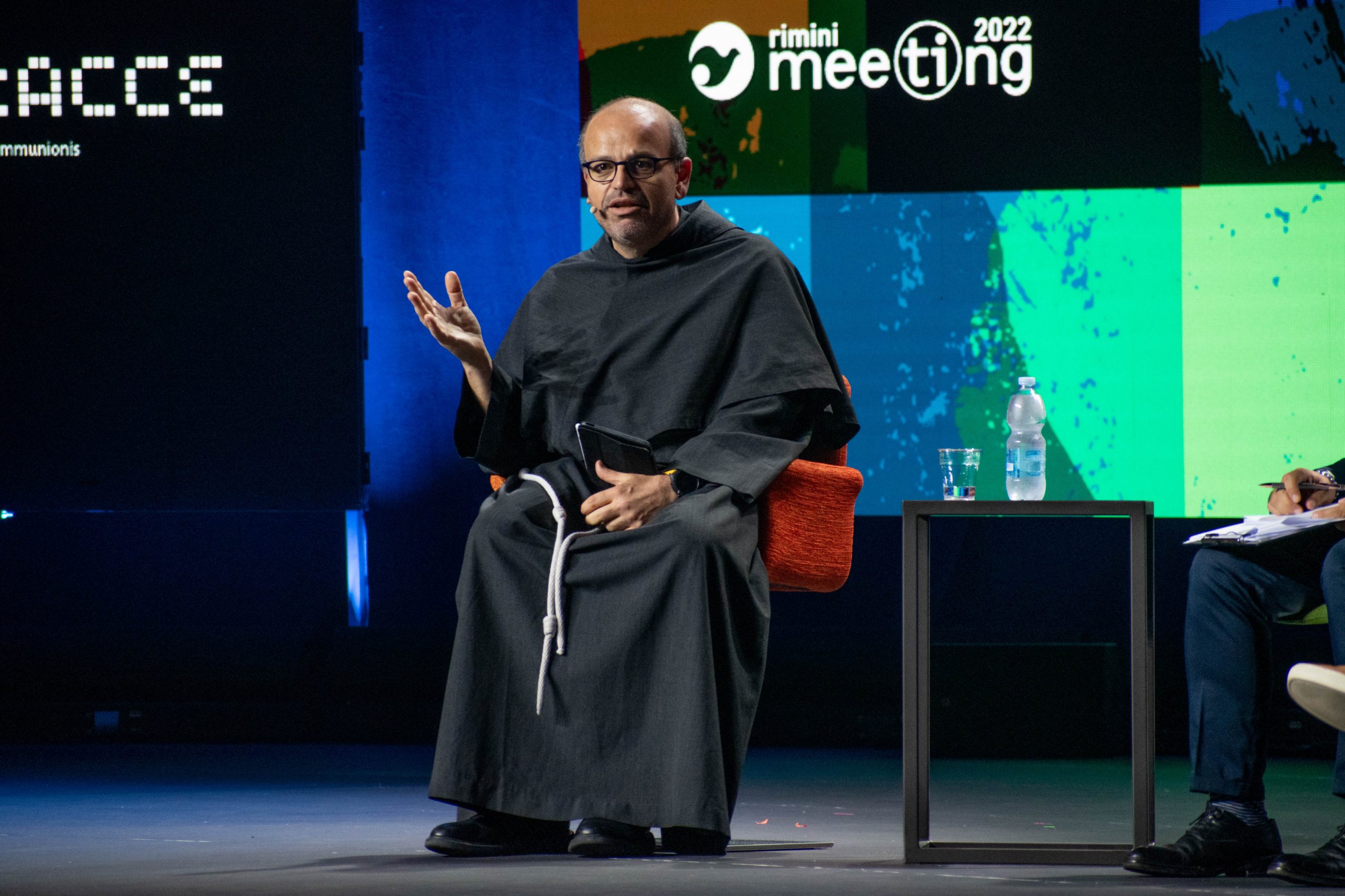
Vatican artificial-intelligence adviser Paolo Benanti has issued an unusually stark warning about children’s use of conversational AI, arguing that emotionally responsive systems could create forms of dependence and manipulation more damaging than addictions such as nicotine or cocaine.
Benanti, a Franciscan friar and moral theologian who advises the Vatican on AI ethics, made the comparison during an interview with BBC Newsnight. His concern is not simply excessive screen time. He described increasingly personalized AI systems as potential “super manipulation tools” capable of shaping the emotions and behaviour of young users.
The cocaine comparison should not be read as a scientific finding that AI is pharmacologically or clinically more addictive. Benanti was making an ethical argument about the asymmetry between children and systems engineered to maintain engagement, remember conversations and respond with human-like empathy.
That concern increasingly overlaps with academic research. Studies of AI companions have found that adolescents can develop emotional attachment to conversational systems, while researchers have highlighted possible risks including psychological dependence, displacement of human relationships and unrealistic expectations of intimacy. The evidence remains young, however, and researchers also identify potential benefits such as emotional support and spaces for self-expression.
Benanti’s intervention fits a broader Vatican push on AI. Pope Leo XIV made the technology a major theme of his 2026 encyclical Magnifica Humanitas, warning against concentrated technological power and arguing that AI should remain subordinate to human dignity and agency. The Vatican also created an inter-dicasterial commission on artificial intelligence in May.
The debate is now moving rapidly beyond the Church. Governments and child-safety organizations are examining whether conversational systems require stronger age controls, restrictions on emotionally manipulative design and specific protections against AI companions encouraging dependency.
Benanti’s warning is therefore deliberately provocative, but its underlying question is becoming increasingly mainstream. What safeguards are necessary when software is designed not merely to answer children, but to build an ongoing relationship with them?