

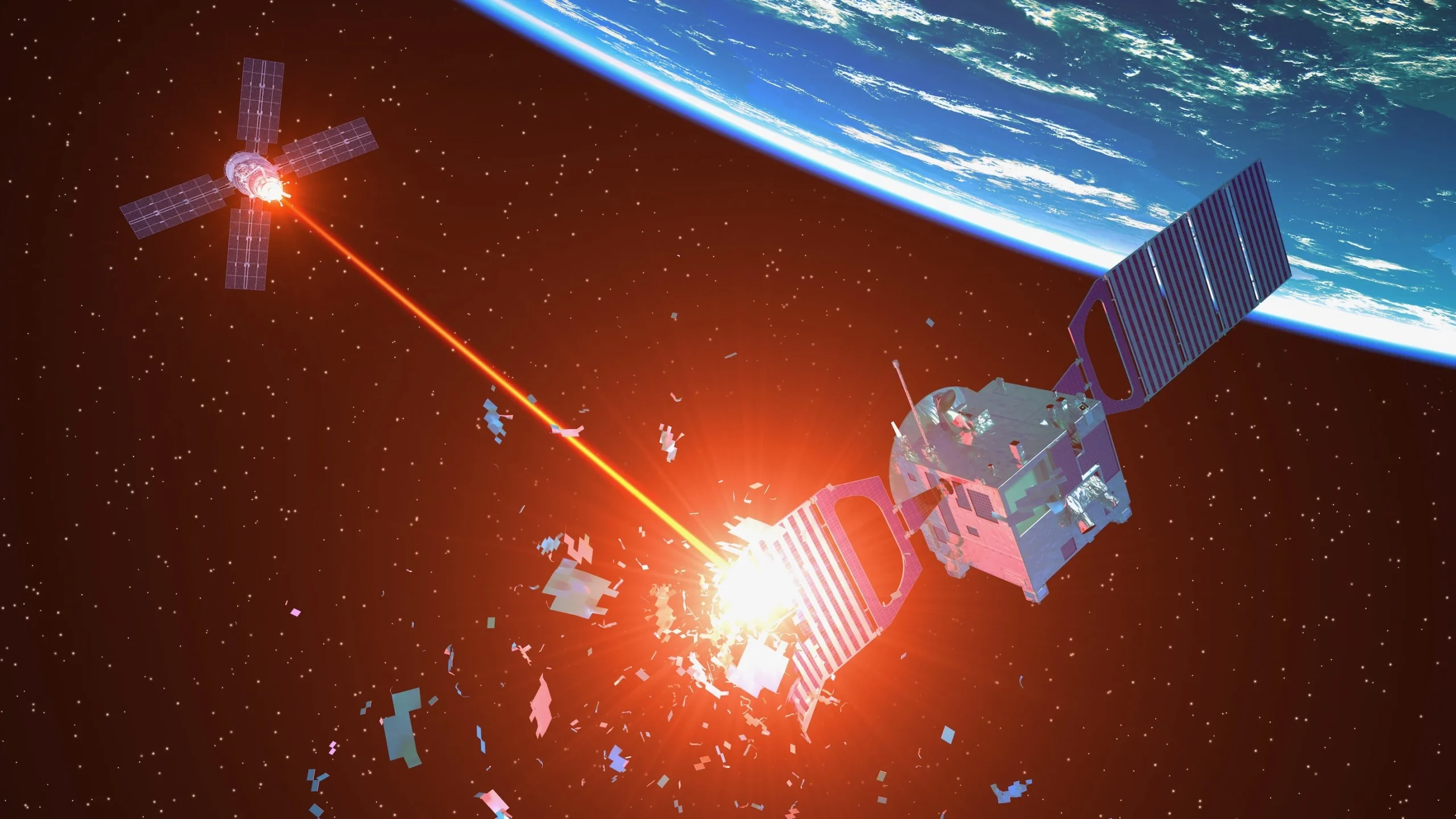
The US military has publicly confirmed for the first time that it already operates weapons in Earth orbit, marking a significant shift from years of deliberately vague language around American counterspace capabilities.
Air Force Secretary Troy Meink disclosed the existence of what he called “on-orbit space control weapons” on September 14 at the Air & Space Forces Association’s conference in Maryland. He said the systems are intended to protect US and allied forces from hostile action, but declined to identify the weapons, explain when they were deployed or disclose whether they have been tested.
The terminology leaves substantial uncertainty. US Space Force doctrine defines space control broadly, covering orbital, electromagnetic and cyber warfare and both kinetic and non-kinetic effects. A Space Force spokesperson said such capabilities can disrupt, degrade or destroy adversary systems and can serve offensive or defensive missions, while refusing to specify the payloads currently in orbit.
That means the announcement does not establish that the US has deployed destructive anti-satellite interceptors. Possible orbital systems could instead include electronic jammers or optical dazzling technologies that temporarily interfere with another satellite. The Space Force operationally accepted Meadowlands, a separate ground-based satellite communications jammer, in June.
The disclosure comes as Washington increasingly portrays China and Russia’s counterspace programmes as threats to military satellites. It also crosses an important transparency threshold: weaponization of orbit is no longer merely a future US capability discussed by military planners, but an acknowledged operational reality.